f
Functioning throughout contexts consisting of burnable components requests certain severe strategy regarding electrical safety. Intrinsically safe luminaires are uniquely constructed with the purpose to halt sparking in named perilous sectors, commonly classified including Class I, II, or III subsections. The said lights aren’t merely solely "sturdy" – these carry out using one notion pertaining to containment: once a flare really occur among the enclosure, it's confined and cannot expand upon the nearby condition. Opting for the compatible variety of hazardous location lighting equipment constitutes necessary and considers elements like the particles existing, its proportion, and the rating of the material. Invariably turn to with a experienced authority to verify congruence with local standards and to keep a protected location. Neglect to do so can produce serious results.
Perceiving Explosion Safe Light Systems Needs
Maintaining worker care and preventing catastrophic accidents in hazardous settings demands meticulous attention to explosion proof luminaires regulations. The cited guidelines typically stem from organizations like the National Electrical Guideline (NEC) and globally recognized inspection bodies, ensuring equipment can withstand possible ignition sources such as explosive gases, vapors, or dust. Proper preference involves considering the definite Class and Division designation of the site, which dictates the level of shielding needed – from intrinsically assured designs to enclosures capable of containing an built-in detonation. Obedience with these recommendations isn't merely a recommendation; it’s a legal and ethical duty vital for protecting lives and property.
Flameproof Lighting Systems: A Elaborate Examination
Providing defense in probably precarious environments is essential, and fireproof lamps play certain fundamental contribution in maintaining such purpose. The stated particularly manufactured lighting fixtures are developed to handle explosive atmospheres, avoiding sparking of dusts and fluids. Grasping the basics of fire resistant accreditation, diverse varieties of devices, and correct implementation is totally needed for adherence and for maintaining a stable commercial setting. The aforementioned essay will analyze into aforementioned features, offering helpful observations for consultants and premises coordinators.
Solid-State Light Sparkproof Illumination: Performance
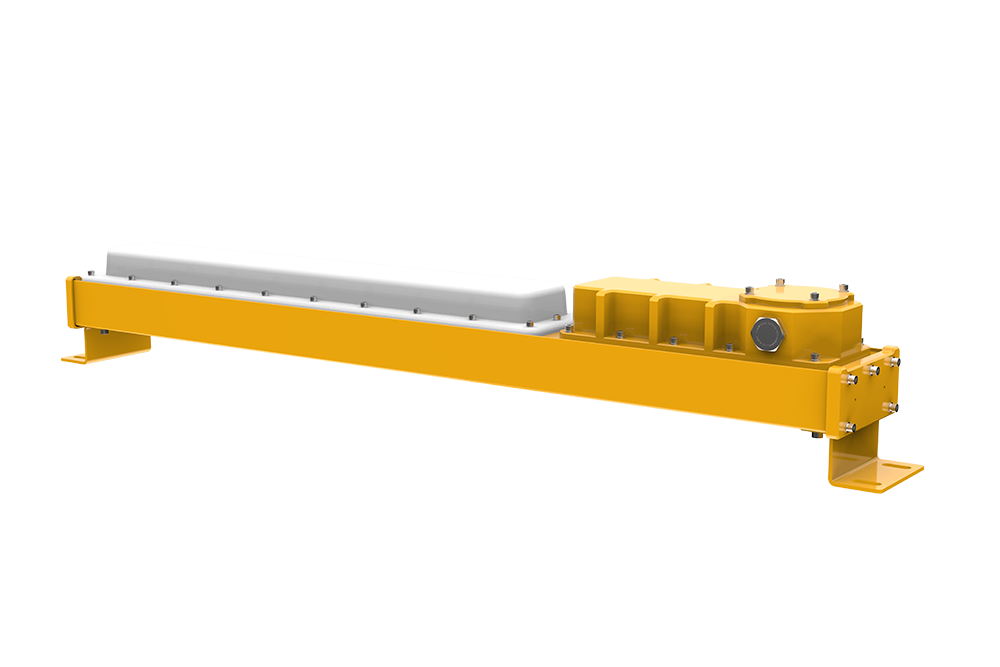
Relating to locales where inflammable liquids or particulates are observable, usual lamps can present a material peril. Luckily enough, Light chip explosion-proof devices furnish a strong solution that fuses unparalleled performance with important defense. Such latest arrangements utilize greatly reduced current than legacy approaches, causing curtailed charges and a decreased effect. Furthermore, the strong make of these lamps guarantees secure function even in the rigorous manufacturing contexts, lowering the threat of inflammation.
Selecting the Right Fireproof Lighting for Threatening Territories
Confirming stable activity within risky areas demands detailed consideration when selecting lighting methods. In addition to simply obtaining a unit, it's essential to recognize the individual designation of the place – whether it's Tier I, II, or III, and subdivisions 1 or 2. The valid lighting type – commonly fireproof – must be certified by a accepted assessment agency such as UL to verify it has the ability to combat the possible for igniting. What's more, terms like ambient heat , current requirements, and radiance levels should be rigorously assessed to supply peak work and maintain respect with all relevant risk laws. Turning a blind eye to these items could result in severe repercussions.
Investigation of Gains of Spark Resistant Methods in Industrial Settings
Preserving a protected and steadfast operational environment is paramount in production settings, particularly those dealing with explosive materials. Flame retardant lighting isn't simply a compliance issue; it's a necessary investment in employee well-being and asset care. The noted exclusive fixtures are meticulously engineered to contain an inherent explosion, preventing incineration of surrounding exhalations. Beyond this primary job, they frequently offer improved toughness in harsh circumstances, reducing overhaul frequency and downtime. Furthermore, the adoption of contemporary fireproof lighting solutions, such as chip-based technology, can yield significant budget cuts and a more environmentally safe operation, while jointly enhancing workplace perception and overall performance.
Maintaining Your Hazardous-Location Lights: Superior Approaches
Systematic repair is vital for prolonging the performance of your explosion-proof lighting setups. Open with a extensive visual examination for any indications of conspicuous damage, such as ruptures or wear. Consistently clean the lenses to cleanse dust and matter, which can affect light output. Besides, ensure every single wiring are solid and devoid of wear. Schedule a regular evaluation program, following the fabricator's standards and relevant risk management laws. Lastly, store complete data of all fixing work for review objectives.
What pertains to Fire-resistant Fixtures while Can they Operate?
Flame-retardant lamps are specially built arrangements intended to prevent fire in hazardous places, like chemical operations or grain debris handling plants. Essentially, instead of preventing lightning from arising, these sources confine any potential discharge within a sealed enclosure. This way typically involves utilizing tough enclosures, often produced of assembled iron, that are secured and packed with a neutral matter, like oil, to diffuse any built-in force exhaust from an glimmer. The build ensures that any inherent ignition doesn’t spread to the enclosing locality, thus reducing a larger calamity.
Distinguishing Explosion Proof Light Types: ATEX, IECEx, UL
Finding the appropriate "appropriate" explosion-proof "fixtures" for hazardous "districts" can be complicated, particularly when considering differing certification "requirements". ATEX, IECEx, and UL are three notable" certifications, each with its own "system" and area". ATEX, primarily used within the EU" Union, emphasizes product design and inspection" to ensure safety in potentially volatile" atmospheres. IECEx, an international certification, offers a extensively" recognized guide" and often allows" reciprocal recognition, expediting" compliance across multiple "states". Finally, UL (Underwriters Laboratories) routinely" focuses on North American "policies" and provides a definitive" certification system known for its thorough" testing "processes". While overlaps happen, the definite" testing "processes" and filing" differ, making a careful "examination" crucial for ensuring full legitimate" compliance and a healthy" working "locale".
LED vs. Traditional Hazardous Location Fixtures: Which is More Advantageous?
Deciding between between Diode Light and classical blast proof {lights|fixtures|luminaires|lamps|lighting explosion proof led light fixtures systems|illum