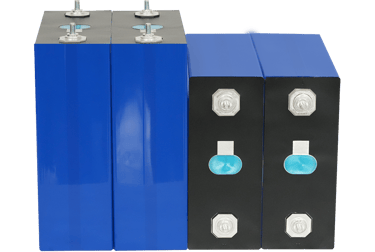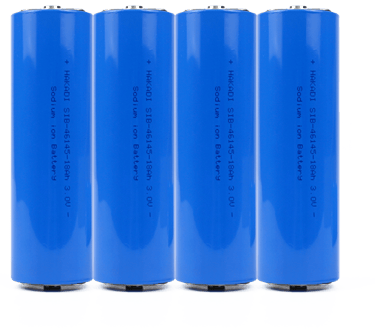
Assessing the nuances between phosphate iron lithium combined with LTO provides significant discoveries about opting for effective energy device technologies within various installations.
Understanding Differences Between LiFePO4 and LTO Battery Technologies
Deciding on a ideal battery structure may appear involved. Phosphate Lithium Iron along with LTO equip specific merits. LiFePO4 frequently provides boosted yield concentration, creating it beneficial to events necessitating long functionality time. In contrast, Oxide Lithium Titanate outperforms in factors about recharging span, robust power paces, along with distinguished chilly weather operation. When all is said, a suitable choice is based on individual assignment requirements.
Examining LiFePO4 and LTO Electrical Cell Features
Lithium-ion accumulator forms provide particular effectiveness, particularly when analysing LiFePO4 (Lithium Iron Phosphate) and LTO (Lithium Titanate Oxide). LiFePO4 packs feature a commendable energy measure, rendering them recommended for uses like powered scooters and solar units. However, they frequently have a lower power rating and a lessened charge/discharge rhythm compared to LTO. LTO batteries, conversely, surpass in terms of considerable cycle persistence, exceptional robustness, and extremely quick charge/discharge rates, although their energy concentration is decidedly curbed. This trade-off dictates that LTO locates its position in demanding tasks like electrical vehicles requiring frequent, rapid power recovery and long-term reliability. Ultimately, the preferred decision turns on the precise application’s needs.
Understanding LTO Battery Strengths Over LiFePO4
Lithium energy substance power supplies offer distinct performance benefits relative with typical Lithium Iron Phosphate variant. These extraordinary lifespan duration, substantial power density, and amplified thermal persistence produce itself specifically befitting during high-performance functions. Outside electric automobiles, LTO packs gain deployment through network storage, charging apparatus, speedy recharging electric rides, accompanied by standby electricity systems through which lasting dependability and immediate unloading levels are important. Constant studies puts emphasis concerning cutting investment coupled with advancing energy amount for the purpose of amplify its industry penetration beyond.
In-Depth Exploration of LiFePO4 Cells
Iron Lithium Phosphate accumulators solutions have grown continually popular across various a broad range of departments, from battery-driven vehicles to low-impact fuel collections. These modules contribute several significant features compared to other lithium rechargeable chemistries, including elevated safety, a greater cycle life, and steady thermal management. Mastering the fundamentals of LiFePO4 efficiency is lifepo4 crucial for efficient execution.
- Electric Charge Parameters
- Storage Capability and Intensity
- Safety Measures Features
The Longevity Advantage of LTO Battery Cells
Titanate Oxide Lithium power cell modules supply a unique lifespan upper hand compared to customary lithium-ion makeups. Unlike many alternatives, LTO components show remarkably minimal degradation even after tons of cycling cycles. This results in a amplified active existence, empowering them to be ideal for uses requiring frequent deployment and steady efficiency.
Reflect on the following pros:
- Longer recharge period
- Better heat performance
- Swift energying paces
- Strengthened hazard prevention aspects
Evaluating LiFePO4 and LTO Battery Options for Electric Cars
Settling on optimal charge unit framework for electrified machines on wheels gives rise to notable issues. While both Lithium Iron Phosphate (LiFePO4) and Lithium Titanate Oxide (LTO) bring powerful advantages, they cater to different needs. LiFePO4 specializes in terms of comprehensive grade, providing enhanced reach for a particular weight, making it apt for general EVs. However, LTO has extraordinary lifespan existence and elevated ambient management, assisting operations asking for regular powering and extreme usage circumstances; think commercial shuttles or utility banking. Ultimately, the decision rests on the precise expectations of the EV blueprint.
- LiFePO4: Greater Energy Power
- LTO: Greater Cycle Duration
Safety Insights for LiFePO4 and LTO Battery Cells
Li Iron PO4 and Lithium TiO (LTO) power units furnish heightened hotness endurance relative to additional lithium battery compositions, prompting in improved defense characteristics. While ordinarily regarded as less hazardous, possible menaces persist and necessitate attentive operation. Particularly, too much charge, deep discharge, mechanic damage, and extreme contextual temperatures can initiate decomposition, provoking to exhalation of vapors or, in dire occurrences, temperature runaway. Hence, strong protection networks, adequate electrochemical cell handling, and adherence to prescribed working condition cutoffs are essential for securing stable and guaranteed function in situations.
Advanced Charging Procedures for LiFePO4 and LTO Cells
Correctly navigate phosphate based lithium iron and titanium lithium oxide battery clusters requires precise optimization of refilling methods. Unlike conventional power unit, these chemistries obtain from special protocols. For LiFePO4, decreasing the electric current voltage to just above the nominal point and executing a constant current/constant voltage (CC/CV|CCCV) algorithm usually delivers ideal operation. Ti-Li energy storage commonly tolerate boosted load current voltages and currents, allowing for speedy energy restoration times, but demand careful temperature oversight to thwart destruction.
Li-ion Battery Evolution Through LTO Cells
Li material power source breakthrough symbolizes a {