Embarking at elaborate inspection regarding automated tools engineered focused on surface finishing boast enhanced fabrication processes, ensuring significant enhancements in velocity and quality. This analysis explores the several types of deburring solutions, consisting of brushing spinning tools, spinning appliances, and modern programmed applications. We will present the gains of using such devices, like cut personnel needs, boosted output accuracy, and amplified overall productivity.
Border Beveling Machines: Exact Finalizing Outlined
Edge chamfering apparatuses offer a cutting-edge solution for achieving exact polishing on objects. Unlike manual techniques, these robotic apparatuses furnish dependable benefits and considerably elevate production productivity. These devices frequently adopt distinct buffing tools like diamond wheels, honing rotors, or bespoke patterns to cut away sharp borders and defects. These kinds of technique is key in a expansive range of trades, including medical and electronics.- Improve surface quality
- Reduce manufacturing spending
- Expand turnover and operation
Dross Elimination Mechanisms: Ensuring Untainted, Top-Notch Coatings
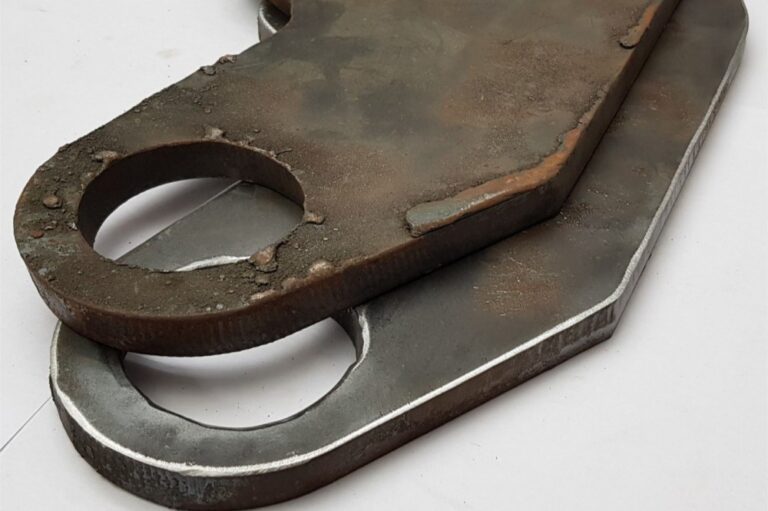
Contemporary steelmaking procedures predictably yield significant amounts of dross, a byproduct that, if overlooked, can severely reduce the standard of the end result. Fortunately, advanced scraping systems offer a reliable solution. These focused machines, employing techniques like polishing, are designed to completely eliminate this unwanted material, ensuring a unblemished and exceptional surface. The resulting improvements include reduced rejection rates, boosted aesthetic appeal, and an overall rise in output. By utilizing breakthrough slag removal technology, manufacturers can consistently deliver high-grade surfaces and meet stringent norms.
Sheet Metal Polishing: The Benefits of Deburring Systems
Accomplishing a excellent surface on sheet metal segments is crucial for performance, and deburring tools provide important improvements over craft methods. Clearing burrs expeditiously not only upgrades the aesthetic quality of the article, but also prevents expected failures during assembly and employment. Furthermore, computer-operated deburring systems increase workflow throughput and lessen workforce charges.
Optimizing Sheet Metal Production with Automatic Deburring
So as to elevate output in sheet metal processing, consider computerized deburring equipment. Manual deburring is regularly protracted and likely to discrepancies. Replacing automated deburring presents weighty gains, featuring lessened personnel expenses, heightened assembly standards, and higher output volumes. These spending will promptly break even.Electing the Perfect Deburring System for Your Operation
Choosing the premier deburring machine for your particular needs requires a meticulous assessment of several criteria. Originally, scrutinize the kind of substance you're handling – copper requires specialized techniques than synthetic. Later on, weigh the measurements and geometry of the parts needing edge finishing. In conclusion, analyze your processing quantity; a heavy-duty operation commands a distinct type of equipment than a limited one. Overlooking to take into consideration these factors is likely to bring about deficient results and expanded outlays.
Deburring Machine Technology: Shifts and Revolutions
State-of-the-art surface smoothing tool procedure is encountering rapid advancement, prompted by the needs for increased detail and effectiveness in workflows tasks. Important directions comprise the melding of computerized tools for adaptable deburring activities, alongside innovations in finishing technology. We're what's more detecting a surge in handheld refining apparatuses suited for localized jobs, and fresh approaches like mechanical burr elimination are receiving endorsement. The trend indicates towards expanded linkage of edge-removal mechanisms within the intelligent factory context.
Boosting Engineered Unit Excellence with Contour Rounding
Many assembling processes for alloy parts introduce sharp edges, which can induce stress areas and liabilities that undermine overall stability. Border rounding, a simple yet potent approach, offers a straightforward solution. It consists of slightly beveling the crisp edges of a module during the production stage. This cuts down stress points, amplifies fatigue capacity, and can avert snapping. Benefits are further amplified when dealing with intricate structures or parts subjected to strong stress. Considerations include the suitable bend of the fillet and its result on joining with other segments.
- Diminishes Stress Regions
- Improves Functional Ability
- Avoids Breaking
Byproduct Elimination vs. Deburring : Distinguishing the Divisions
Even though many specialists use the names “slag removal” and “deburring” without distinction, they stand for distinct actions in metal manufacturing techniques. Deburring focuses on get rid of the sharp, often tiny, projections created during processing operations—these are excess pieces of metallic left on the part. Scale disposal, conversely, addresses an adjunct – typically a synthesis of flux – that appears during processes like forging. Essentially, deburring deals with residual margins, while slag processing deals with those remnant of a varied function. Concluding, robotic deburring and residue removal devices are important components of modern metal processing that deliver first-class finished products with lessened defects and maximized efficiency.Concluding the review Slag Removal Machine underlines the key role of cutting-edge automated deburring technologies in transforming fabrication norms and enabling businesses attain improved productivity and excellence.